For years, concealer was the easiest way to hide a scar before a family function, wedding, or photo. But if you’re tired of covering the same mark every day, scar treatment can be the better option. Many dermatology clinics report a steady rise in patients booking full consultations for scar removal in Nepal rather than a quick touch-up before an event, choosing multi-session treatment plans meant to change the skin itself. The reasons behind that choice vary. Some are preparing for a wedding. Others finally have the time and savings once school or a first job settles down.
Scars don’t all behave the same way. There’s no single fix that works across the board, mostly because a scar is just the skin’s own repair job after an injury reaches down into the dermis. How that repair plays out depends on your skin and genetics. Sometimes it heals flat. Sometimes it leaves a raised bump, a pitted dent, or a patch that’s darker or lighter than the skin around it.
A few common types show up again and again:
Figuring out which category a scar falls into isn’t optional; it’s the starting point. A method that smooths out an acne scar won’t touch a raised keloid. Get this step wrong and the rest of the plan is basically guesswork, which is exactly why effective scar removal in Nepal now leans so heavily on proper assessment before anyone picks up a device.
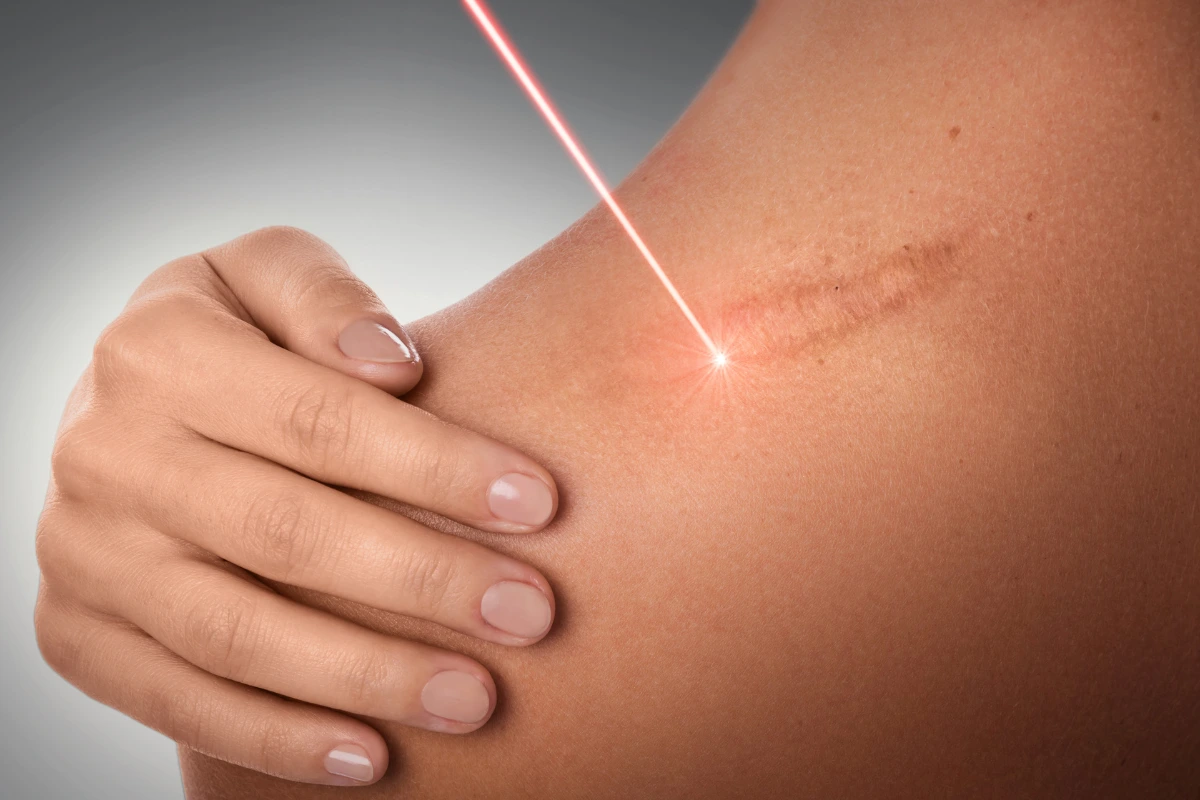
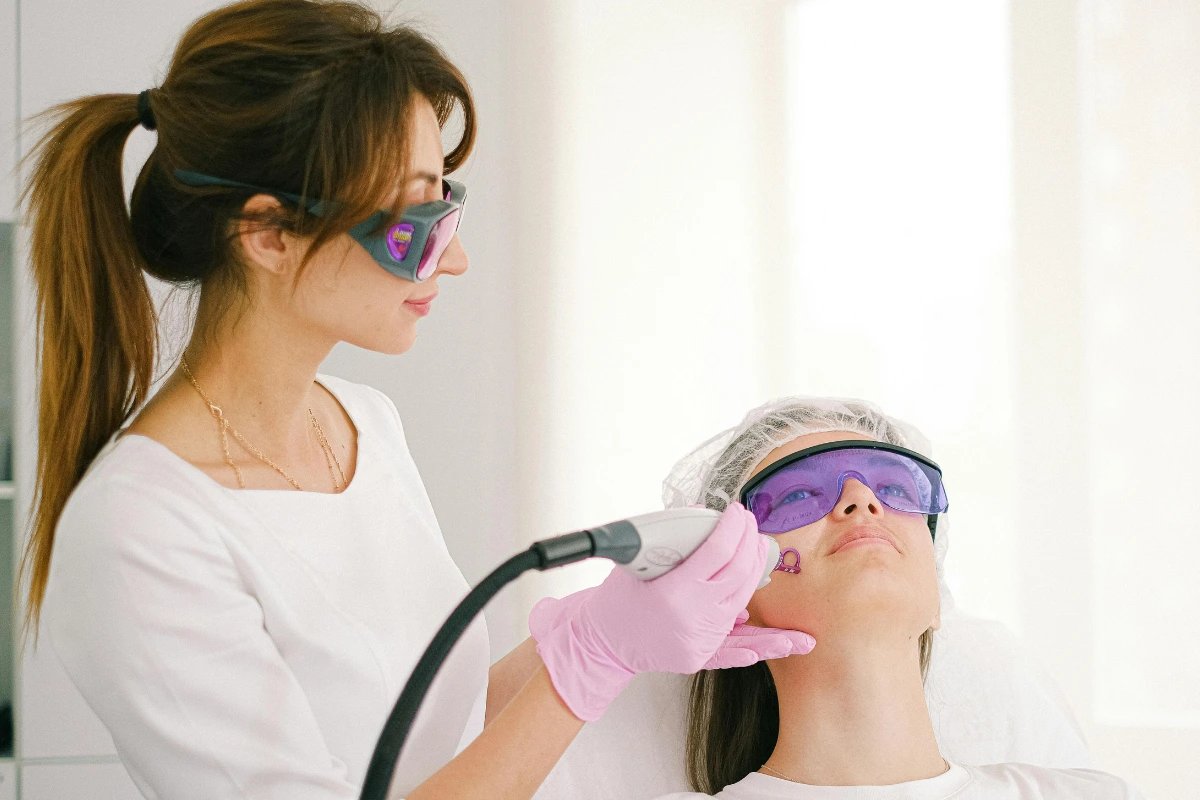
There is no single magic fix here. Dermatologists usually lean on a handful of proven methods, often combining more than one to put together the best scar treatment plan for whatever they are dealing with. Laser treatment is one of several options dermatologists may consider for certain types of scars. The appropriate approach depends on the scar’s type, depth, location, age, and your skin characteristics. The skin is rejuvenated using the energy of light, which not only brings back the outer layers of the skin but also helps create new collagen under the skin, thereby making the skin smoother with each session instead of in one go.
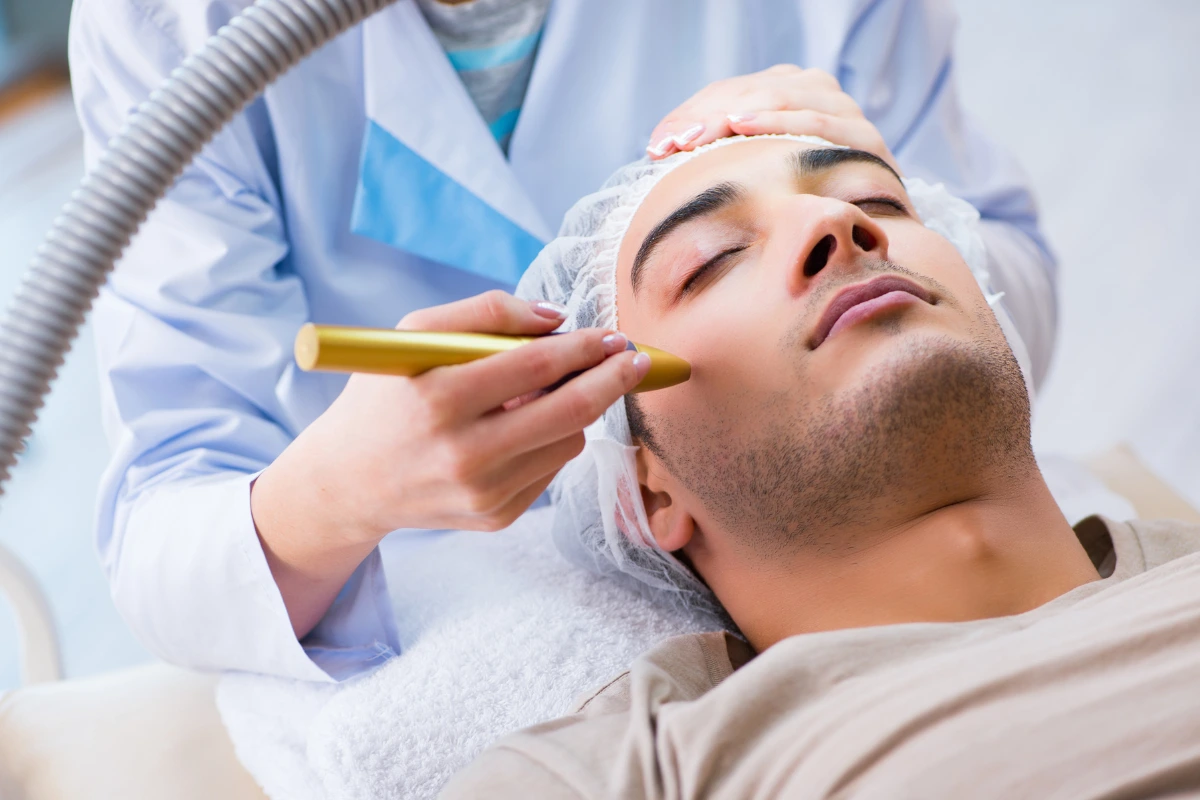
On the other hand, microneedling uses an entirely different technique. It consists of passing needles over the skin to make micro-wounds that tell the skin to repair itself, hence the creation of new collagen under the scar. Chemical peels rely on a measured acid solution to exfoliate the skin’s outer layer, which fades discoloration and helps even out overall tone. Dermabrasion takes a more mechanical approach. A rotating instrument physically removes the damaged top layer of skin, and this tends to work particularly well on textured or bumpy scarring.
Raised scars and keloids need something different. Steroid injections are usually the go-to here, since they flatten the tissue and reduce inflammation over a series of visits rather than in one sitting.
Every treatment plan begins with an initial assessment. Dermatologists generally evaluate a consistent set of factors before recommending anything:
From this assessment, the dermatologist can outline a realistic timeline and determine which technique, or combination of techniques, suits the scar in question.
Recovery is generally straightforward. A few points worth knowing beforehand:
No single appointment resolves a scar completely. Results tend to show up in stages, which is why a full treatment plan usually spans several sessions rather than one.
There’s no flat rate here. Pricing shifts based on scar type, the method used, and how many sessions the plan calls for. A single laser session runs cheaper than a combination plan pairing microneedling with chemical peels, and a small acne scar needs far less work than a large burn scar would.
Because scar treatment in Nepal covers such a wide range of cases, most clinics worth trusting won’t quote a price before examining your skin. A short consult is usually enough to walk away with a real number and a realistic session count, rather than a figure that shifts once treatment starts. Pricing tailored like this is fairly standard across scar removal in Nepal now, since two people with the same diagnosis can still need very different plans.
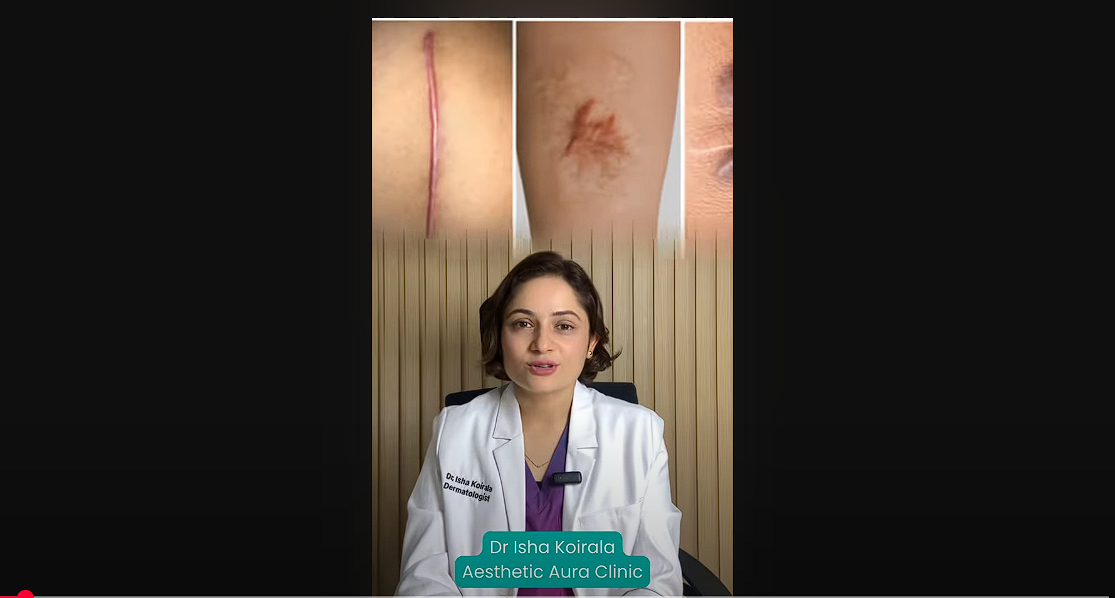
Aesthetic Aura Skin and Hair Clinic is based in Baneshwor, Kathmandu, and scar treatment is only one part of a broader dermatology practice rather than a standalone offering. For scars that go beyond what nonsurgical methods can address, the clinic also performs scar revision surgery, aimed at more significant correction than laser or microneedling alone can achieve.
Every case, regardless of the route it takes, begins with a skin and hair consultation, where the scar type and depth are mapped out before applying any technique or tools. Dr. Isha Poudel Koirala, a consultant dermatologist registered with the Nepal Medical Council, leads that assessment, drawing on more than 10 years of practice to choose the right combination of treatments for each patient.

If a scar has been bothering you for years, you don’t necessarily have to keep hiding it. Scar removal in Nepal now includes several treatment approaches, from laser treatment and microneedling to chemical peels, steroid injections, and surgical scar revision.
The right treatment depends on the scar rather than the name of the procedure. A dermatologist-led assessment can help identify the type of scar, determine which options are suitable, and establish a realistic treatment plan.
Scar treatment is generally considered safe when an appropriate procedure is selected and performed by a qualified medical professional using suitable equipment and safety protocols.
There is no fixed number of sessions for every patient. Some scars may require several treatment sessions, while more complex scars may need a combination of treatments.
Most can, including acne, surgical, burn, and injury scars, though the right approach shifts depending on which one you're dealing with.
Most procedures involve only mild discomfort, and numbing options are usually available for extra comfort.
Downtime is typically short, with mild redness or swelling usually fading within a day or two.
Yes. Older scars can sometimes be improved, although their response depends on factors such as scar type, depth, location, and how the tissue has healed.
Usually, scar treatment aims to make a scar less noticeable rather than completely erase it. The degree of improvement varies from person to person and depends on the type, depth, age, and location of the scar.

With a passion for skin health, Dermal combines the latest technologies.
Baneshwor Near iKalu Meat Center, B & S Building, 2nd Floor Shankhamul Marga, Kathmandu, Bagmati Province 44617
WhatsApp us