


Some moles are just annoying. They rub against your clothes, bleed when you shave, or you simply don’t like how they look. If that sounds familiar, mole removal in Nepal is a common and simple way to deal with it. The experience at Aesthetic Aura Skin and Hair Clinic begins with a skin assessment. The expert examines your mole for visual inspection, size, and area. This process helps to decide the best approach for your mole. After this, they brief you about the suitable treatment methods along with all details regarding cost, duration of healing, etc.
- Skilled dermatologists with years of expert.
- Addressing cosmetic, medical, and prevent
- Tailored solutions for your unique skin need.
- Your comfort and satisfaction are our top.
- Edge tools for precise and effective treatm.
- Delivering visible improvements and long
What is Mole Removal?
Moles are small areas or masses of pigmented cells. Moles are typically two types: raised and flat. They are in color shades ranging from light tan to brown or even black. Most moles are harmless and do not change over the years. Some moles are present from birth, some appear during one’s childhood and teenage years, while some develop due to sun exposure.
Mole removal through a surgical procedure is a technique in which the mole is cut out of the body. Depending on how deep the moles are, they can be removed through freezing, laser surgery, or excision. People choose this method for several reasons, for appearance and health, particularly if the mole looks abnormal.
Common Types of Moles
Doctors classify moles in different categories:
- Common moles are small in size and can be either round or oval and even-colored.
- Congenital moles exist from birth and are either small or large.
- Atypical moles have uneven color or borders.
It is not possible to determine in which category a particular mole falls based on its looks alone.
Not even sure it’s a mole? Rough, bumpy growths are often warts, and those are treated differently. Our guide on how to remove warts from skin explains the difference.
When Does Mole Removal Make Sense?
You might consider it if:
- The mole sits on your face, neck or hands and you dislike how it looks
- It rubs against clothing, jewelry, or a razor and keeps getting irritated
- It has grown, darkened, or changed shape recently
- It bleeds, itches, or crusts without any injury
- A doctor has already advised you to have it assessed
The last three points are medical, not cosmetic. They call for an examination before any removal is planned.
Get the Mole Checked First
Thinking of getting rid of a mole yourself? Home removal is riskier than it looks. A blade can go deeper than you intend, and pastes or acids sold for this purpose can burn the healthy skin around the mole. Any open wound can get infected, and scarring is a real possibility. There’s another problem.
Mole removal in Nepal involves a simple checklist called ABCDE to decide whether a mole needs closer attention.
| Sign | What to look for |
| Asymmetry | One half does not match the other |
| Border | Edges are uneven, notched, or blurred |
| Colour | More than one shade, such as brown, black, red, or blue |
| Diameter | Wider than about 6 mm, roughly a pencil eraser |
| Evolving | Any change in size, shape, color, or feel |
Mole Removal Methods
The right method depends on the mole’s depth, size, color, and position. Your dermatologist chooses after examining it and explains the reasoning.
Method | How it works | Often suits |
Laser removal | Laser energy breaks down the pigmented tissue layer by layer | Small, flat, or slightly raised moles that look harmless |
Minor surgical removal | The mole is cut out, sometimes with fine stitches to close the skin | Deeper or larger moles, and moles the doctor wants examined |
Cryotherapy | Extreme cold freezes the surface tissue, so it flakes away | Small surface growths that respond to freezing |
One point is worth knowing. Laser and freezing destroy the tissue, so nothing is left to send for testing afterwards. When a mole looks suspicious, surgical removal is usually the better route because the tissue can be examined. This is one reason the consultation matters so much.
How to Prepare for an Appointment for Mole Removal in Nepal
A little preparation makes the consultation more useful.
- Note when you first saw the mole and any changes since then
- Take a clear photo now so the doctor can compare later
- Bring a list of medicines and supplements you take
- Avoid sunbathing the area for a few days before the visit
- Come without makeup or cream on the mole
What Happens During Your Visit
Consultation
The doctor inspects the mole, asks for its time of presence, and changes if there have been any, and reviews the patient’s skin and health history. Inform your physician about possible tendency for thick scar formation, anticoagulant use, or allergies.
Planning
The patient and the specialist discuss the planned removal technique and the estimated time of recovery and costs. Now is the right moment for any questions.
Preparation
The area of skin is cleansed, and the local anesthetic cream or painkiller is used.
Removal
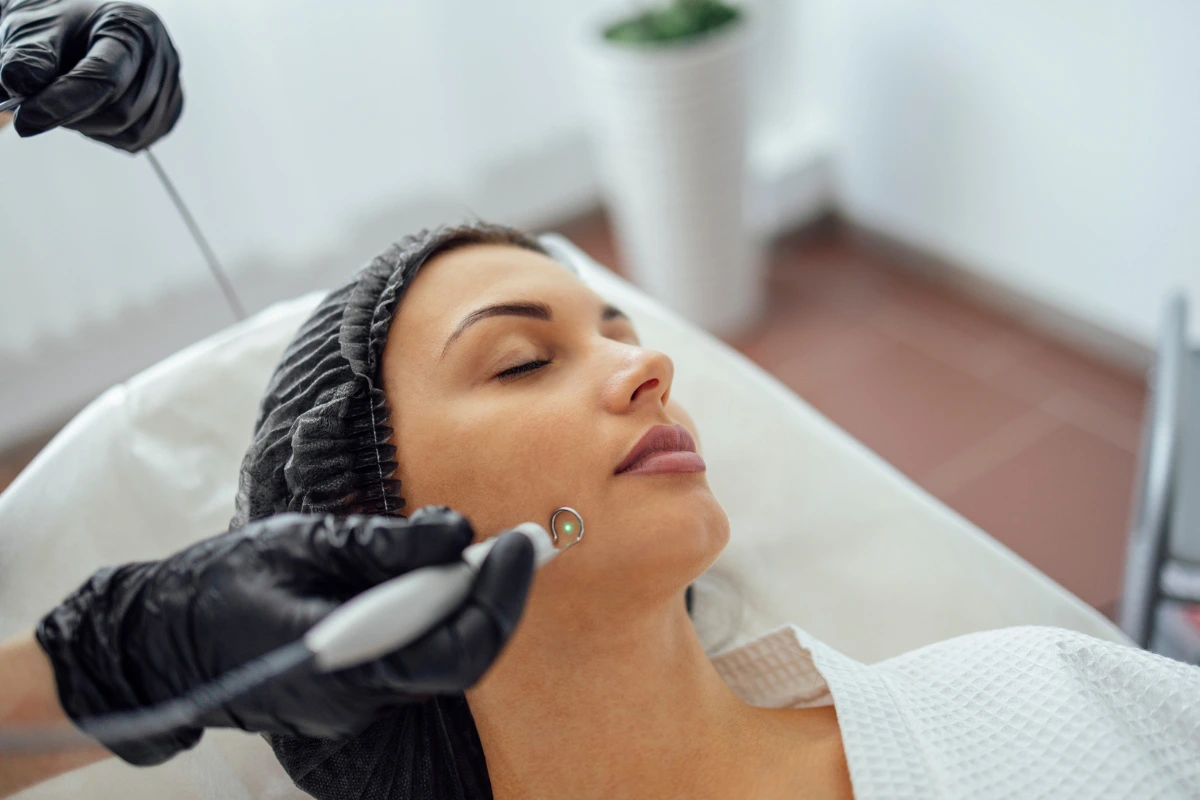
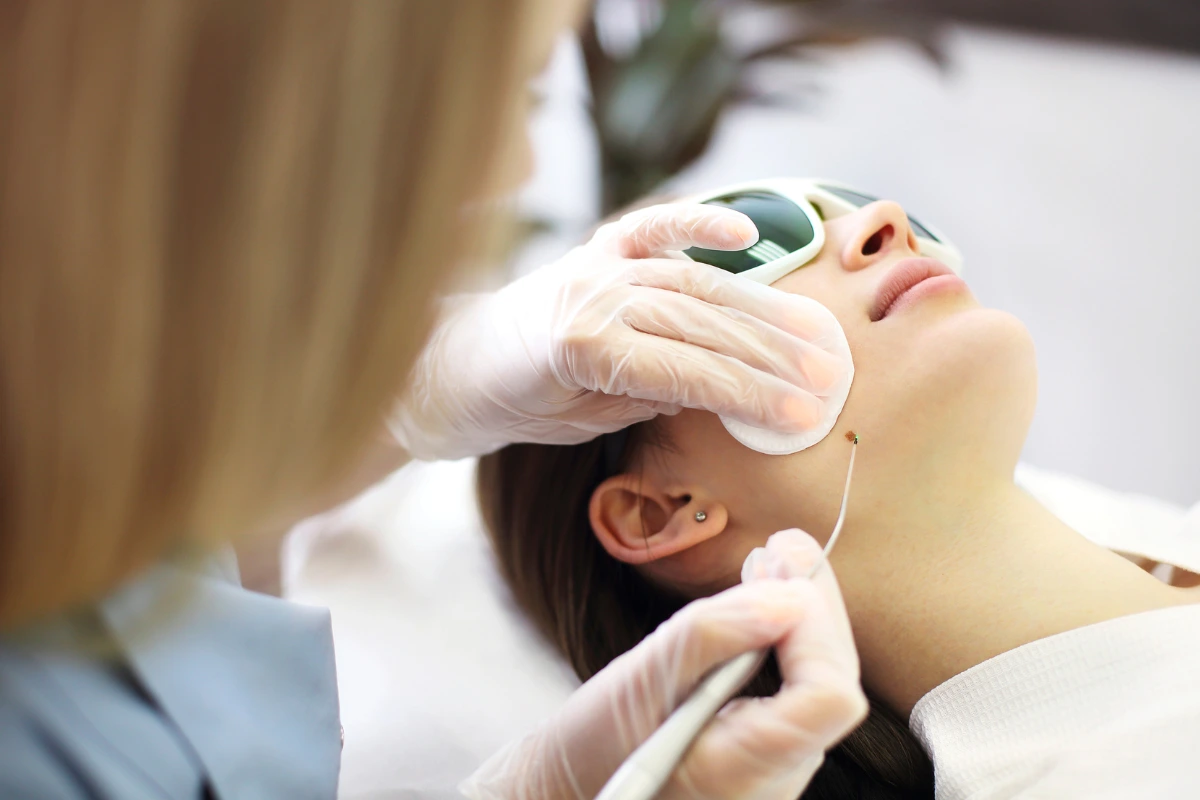
The mole is managed with a laser, minor surgery, or cryotherapy based on planning. The duration of the procedure is up to 30 minutes.
Dressing and Advice
Puts healing balm and protective dressing, and then only the patient leaves with clear postoperative instructions.
Healing & Aftercare
How long it will take to heal largely depends on the technique used and on what part of your body it has been done on. Superficial and small parts normally heal after 1-2 weeks. Healing time for areas with stitches is longer; the doctor will tell you when to remove your stitches. Face areas usually heal faster than the back and leg areas.
The aftercare procedure will include:
- Maintaining cleanliness and dryness of the treated area and keeping the bandage for as long as recommended.
- Applying the healing cream as instructed by the physician.
- Avoiding picking and scratching the crust since it falls off eventually.
- No sun exposure for the treated area; when the area heals, apply SPF 30 or higher sunscreen.
- Avoid using make-up and other chemicals until the physician gives his/her permission.
- Following up in order to have the healing progress evaluated.
Mole Removal Cost in Nepal
Across Nepal, mole removal commonly costs around 4000 per mole or even more. The gap is wide because several things shape the price:
- Size of the mole
- Location, since facial skin needs extra care
- Number of moles treated in one visit
- Method used, whether laser, surgery, or cryotherapy
- Whether aftercare items such as healing cream and a review visit are included
If some clinics offer a very low price, that too without any visits, it is a red flag. It is a must to see the mole before even deciding how much it will cost because no every mole can be treated in the same way. We see your mole first, examine it, and then discuss a reasonable cost for you.
Why Choose Aesthetic Aura
Aesthetic Aura Skin and Hair Clinic is a skin clinic in Baneshwor, Kathmandu, led by consultant dermatologist Dr. Isha Poudel Koirala, who has more than 12 years of experience. For mole removal in Nepal, our approach rests on a few simple habits.
- Examination first
We don’t treat any mole before an examination, because we believe that each mole needs a different treatment accordingly.
- A plan for your skin
The method is matched to the mole’s depth, size, and position.
- Precise equipment
Modern tools, including laser, support accurate removal.
- Clear aftercare
We suggest an effective healing cream, do a protective dressing, and instruct safe tips for longer results.
- Meaningful Talk
Risks, results, and costs are explained before you commit.
- One clinic for skin and hair
Not only for a specific mole removal, but you can also visit us for any skin and hair issue.
Still not sure if the mole removal is for you?
Leave it to us now. Book your consultation today at Aesthetic Aura and decide calmly if the mole needs a treatment or only a cure.

Patient Satisfaction
Years Of Experience
State Art Facilitie
Frequently asked questions
Like the universal process, Nepal's expert first examines the mole. Check the patient's medical history, and then by consulting with the safe procedure, the cost, and other necessary details are shared.
Yes, the process itself is. But it depends on who is treating the mole because sometimes, when offering a very low price, the patient is treated wrongly with inappropriate technique.
Their teams value patient safety over other things. With more than 12 years of experience, they believe each mole should be treated individually to ensure the right technique is used. More importantly, the patient can be in touch with the team following aftercare tips.
Mole removal Kathmandu has no fixed rate. It depends on the mole size, depth, and many other factors. Approximately, it can be from 3000 to 4000 per mole.
It is normal to be so. So, it is always recommended to take a picture of the mole before visiting the clinic so that the doctor can easily compare and diagnose what treatment can be pursued.
